

Packing Materials Guide: Everything You Need for Safe & Secure Relocation
Packing materials play a crucial role in protecting your belongings during relocation. Whether you’re shifting your home, relocating an office, or transporting furniture across India, using the right packing supplies can significantly reduce the risk of scratches, breakage, moisture damage, and transit-related wear.
Many people underestimate the importance of quality packing materials, but professional packers and movers understand that proper packing is the foundation of a successful move. This complete Packing Materials Guide explains the most commonly used packing materials, their purpose, and how they help keep your belongings safe throughout the relocation process.
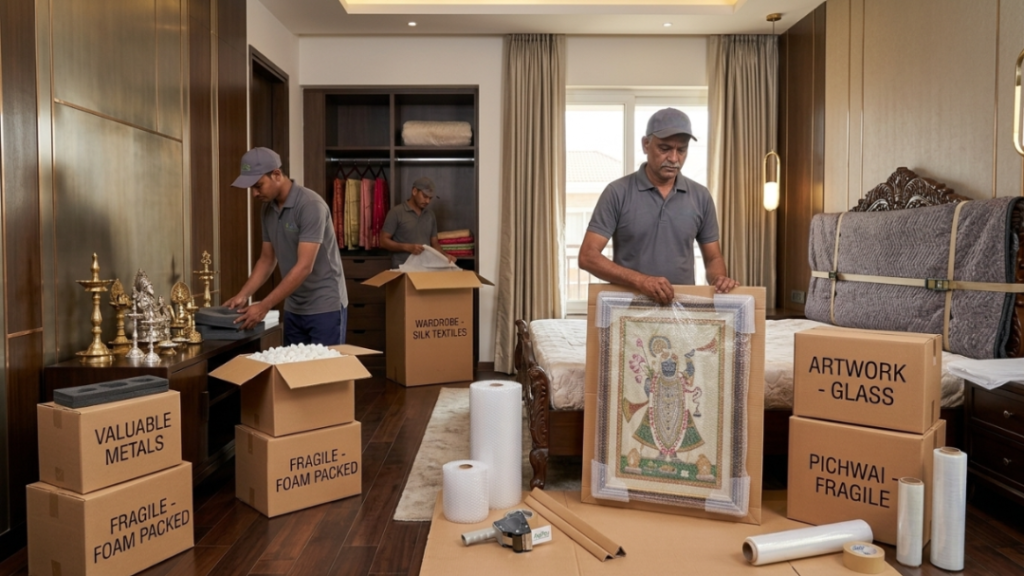
Why Quality Packing Materials Matter
Your belongings experience lifting, stacking, loading, transportation, unloading, and unpacking during relocation. Every stage introduces movement and vibration that can damage poorly packed items.
Using professional packing materials helps:
- Protect fragile items
- Prevent scratches and dents
- Reduce movement inside cartons
- Keep belongings organized
- Protect against dust and moisture
- Improve loading efficiency
- Minimize transportation damage
- Make unpacking easier
Good packing materials are an investment in the safety of your valuables.
Essential Packing Materials Used by Professional Packers and Movers
Professional relocation companies use different packing materials depending on the type of item being transported.
Corrugated Carton Boxes
Corrugated cartons are the most commonly used moving boxes because they are lightweight, durable, and available in different sizes.
Ideal for:
- Clothes
- Kitchen utensils
- Books
- Toys
- Electronics
- Decorative items
- Household goods
High-quality cartons provide better stacking strength during transportation.
Bubble Wrap
Bubble wrap provides cushioning and shock absorption for delicate belongings.
It is commonly used for:
- Glassware
- Crockery
- Mirrors
- Television screens
- Computer monitors
- Decorative items
- Small appliances
- Picture frames
Each item should be wrapped individually before being placed inside cartons.
Foam Sheets
Foam sheets offer additional surface protection against scratches.
They are commonly used for:
- Wooden furniture
- Glass tables
- Modular furniture
- Electronics
- Kitchen appliances
- Decorative panels
Foam sheets are often combined with bubble wrap for extra protection.
Stretch Film
Stretch film tightly wraps furniture and cartons to prevent movement and protect against dust.
Common applications include:
- Sofas
- Mattresses
- Dining chairs
- Wardrobes
- Office furniture
- Packed cartons
Stretch film also helps keep drawers and cabinet doors securely closed during transportation.
Packing Tape
Strong packing tape keeps cartons securely sealed throughout the moving process.
Professional movers use heavy-duty tape to:
- Seal cartons
- Reinforce box edges
- Secure wrapping materials
- Strengthen packed boxes
High-quality tape prevents cartons from opening during transit.
Corrugated Sheets
Corrugated sheets provide additional protection for large flat surfaces.
They are ideal for:
- Glass tops
- Wooden furniture
- Dining tables
- Doors
- Wardrobes
- Office desks
These sheets absorb impact while protecting surfaces from scratches.
Furniture Blankets
Furniture blankets protect bulky items during loading and transportation.
They help safeguard:
- Sofas
- Beds
- Wooden furniture
- Cabinets
- Office tables
- Antique furniture
Blankets minimize rubbing between furniture during transit.
Plastic Covers
Plastic covers provide protection from dust, dirt, and moisture.
Frequently used for:
- Mattresses
- Sofas
- Pillows
- Cushions
- Clothing
- Upholstered furniture
They are particularly useful during monsoon relocations.
Packing Paper
Packing paper cushions lightweight and delicate items.
Suitable for:
- Crockery
- Ceramic items
- Glassware
- Decorative objects
- Kitchen accessories
Unlike newspaper, plain packing paper leaves no ink marks.
Labels & Markers
Proper labeling improves organization during packing and unpacking.
Common labels include:
- Fragile
- Handle with Care
- Kitchen
- Bedroom
- Living Room
- Office
- This Side Up
Clear labeling speeds up unloading and unpacking.
Special Packing Materials for Fragile Items
Fragile belongings require multiple layers of protection.
Professional movers often combine:
- Bubble wrap
- Foam sheets
- Packing paper
- Corrugated sheets
- Double-wall cartons
- Stretch film
This layered approach helps absorb shocks during transportation.
Packing Materials for Furniture
Furniture requires specialized packing depending on its size and material.
Professional movers typically use:
- Foam sheets
- Corrugated sheets
- Corner guards
- Stretch wrap
- Furniture blankets
- Plastic covers
Wooden furniture is often dismantled before packing to make transportation safer and more efficient.
Packing Materials for Electronics
Electronic devices require anti-shock protection during transit.
Recommended materials include:
- Bubble wrap
- Foam padding
- Original boxes (when available)
- Corrugated cartons
- Cable organizers
- Packing tape
Televisions, computers, printers, and home appliances should always be packed separately with adequate cushioning.
Packing Materials for Kitchen Items
Kitchen belongings are among the most fragile household items.
Professional packing generally includes:
- Bubble wrap for glassware
- Foam sheets for plates
- Corrugated dividers
- Strong cartons
- Packing paper
- Cushioning material
Heavy utensils should be packed separately from delicate crockery.
Packing Materials for Office Relocation
Office moves require secure packing for business assets.
Common materials include:
- Anti-static packaging
- Bubble wrap
- Computer cartons
- Cable labels
- File boxes
- Furniture wrap
- Stretch film
Proper labeling helps employees quickly identify department-wise boxes after relocation.
DIY Packing vs Professional Packing Materials
Many homeowners consider packing their belongings themselves before moving.
Professional Packing
Advantages:
- Premium-quality materials
- Better protection
- Faster packing
- Reduced damage risk
- Proper labeling
- Experienced handling
DIY Packing
Advantages:
- Lower upfront cost
- Flexible schedule
- Personal control
For large households, expensive furniture, and long-distance moves, professional packing generally provides better protection and convenience.
How to Choose the Right Packing Materials
Selecting the correct packing material depends on the type of belongings being moved.
| Item | Recommended Packing Material |
|---|---|
| Glassware | Bubble Wrap + Carton |
| Television | Foam Sheet + Bubble Wrap |
| Wooden Furniture | Foam Sheet + Stretch Film |
| Sofa | Stretch Film + Blanket |
| Mattress | Plastic Cover |
| Crockery | Bubble Wrap + Packing Paper |
| Books | Small Corrugated Boxes |
| Electronics | Bubble Wrap + Foam Padding |
| Clothes | Wardrobe Cartons or Suitcases |
| Office Documents | File Boxes |
Common Packing Mistakes to Avoid
Avoid these mistakes during packing:
- Using weak cartons
- Overloading boxes
- Leaving empty spaces inside cartons
- Mixing fragile and heavy items
- Skipping labels
- Using newspaper for delicate electronics
- Using poor-quality tape
- Ignoring moisture protection during monsoon
Proper packing helps reduce the chances of damage and simplifies unpacking.
Planning to make a move?
Checkout our Professional Packers And Movers Services that fits your needs.
Get a free moving estimate quote for a easy, tension-free move.
Frequently Asked Questions
Which packing material is best for fragile items?
Can ordinary cardboard boxes be used for moving?
Do professional packers and movers provide packing materials?
How can I protect wooden furniture during relocation?
What is stretch film used for?
Is professional packing worth it?
To Summarize
Choosing the right packing materials is one of the most important steps in any successful relocation. From sturdy corrugated boxes and bubble wrap to foam sheets and stretch film, each material serves a specific purpose in protecting your belongings throughout the moving journey.
Whether you’re relocating a home, apartment, office, or commercial space, investing in quality packing materials—or hiring experienced professionals who use them—can help ensure your belongings arrive safely and in excellent condition.
At Elvin Packers And Movers, we use premium-quality packing materials and proven packing techniques to safeguard your furniture, electronics, kitchen items, office equipment, and other valuable possessions during every relocation across Mumbai and throughout India.